Ask any experienced Australian gardener to name their favourite season and most will say autumn without hesitation. The soil is still warm from summer, the sun has lost its bite, and the soaking rains of March and April do half your watering for you. If you have been wondering what to plant in autumn in Australia, the short answer is: almost everything. From crisp winter vegetables to spring bulbs and hardy natives, autumn is the great planting window of the Australian gardening year. Here is your state-by-state guide to making the most of it.
Why Autumn Is Australia’s Best Planting Season
Plants put in the ground between March and May enjoy a long, gentle establishment period. Warm soil encourages rapid root growth while cooler air reduces stress on leaves, and by the time the following summer arrives, autumn-planted trees, shrubs and perennials have deep enough roots to cope with the heat on their own. Compare that with a spring planting, which faces a scorching first summer just months after leaving the nursery, and the case for autumn is clear. It is also kinder on your water bill and your back, since nature handles most of the irrigation.
What to Plant in Autumn in Australia: Vegetables
Autumn is brassica season across most of the country. Seedlings cost around $5 to $7 a punnet, or you can raise a whole bed from a $4 packet of seed.
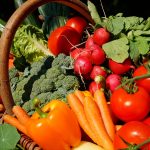
- Leafy greens: Spinach, silverbeet, rocket, kale and all the Asian greens (bok choy, tatsoi, mizuna) thrive in cooling weather and are far less likely to bolt than in spring.
- Brassicas: Broccoli, cauliflower, cabbage and Brussels sprouts go in from March in cool zones and April in warmer areas, once the cabbage white butterflies start to ease off.
- Root crops: Carrots, beetroot, radishes, turnips and parsnips sown direct into loose soil now will feed you all winter.
- Alliums: Garlic is the classic Anzac Day planting. One bulb from a garden centre (choose Australian-grown, around $8) splits into a dozen cloves, each of which becomes a full bulb by early summer.
- Peas and broad beans: In temperate and cool zones, sow direct in April and May for a late winter and spring harvest.
Flowers, Bulbs and Natives
For spring colour, autumn is decision time. Plant sweet peas by St Patrick’s Day if you follow the old tradition, along with pansies, violas, poppies, primulas, snapdragons and cornflowers as seedlings. Spring bulbs (daffodils, jonquils, freesias, tulips) go in from March to May; in warm climates, chill tulip bulbs in the crisper for six weeks first, or simply choose climate-appropriate bulbs like freesias and babianas that naturalise happily without the cold.
Autumn is also the prime season for planting natives, evergreen shrubs and fruit trees in most regions, for exactly the same root-establishment reasons. Grevilleas, westringias, lomandras and bottlebrushes planted now will be well settled before their first summer. If you are choosing natives for the first time, our rundown of Australian native plants for beginner gardeners covers reliable species for every state. The main exception is frost country, where tender natives are better held until spring.
Your State-by-State Autumn Planting Guide
New South Wales and the ACT
Coastal Sydney gardeners can plant nearly everything on the vegetable list from March through May, and the mild autumns mean lettuce and rocket keep producing well into winter. On the tablelands and in Canberra, get brassicas and broad beans in by mid April so they are established before hard frosts, and hold citrus and frost-tender natives until spring.
Victoria
Melbourne’s long, mild autumn is perfect for garlic, broad beans, peas and every leafy green. March is your last realistic sowing for carrots and beetroot before the soil cools. It is also the best month of the year to sow or repair cool-season lawns, with seed at around $20 a kilo going much further in autumn’s moist conditions than in spring.
Queensland
Autumn is when Queensland gardening truly begins. As humidity drops, south east Queensland can plant tomatoes, capsicums, beans and zucchini in March and April, along with all the winter greens. In the tropics, wait until the wet season finishes (usually May) and then plant with abandon; the dry season is your equivalent of a southern spring.
South Australia
Adelaide’s Mediterranean climate makes autumn the number one planting season for everything perennial: natives, olives, fruit trees and hedging all establish beautifully on autumn and winter rains. Sow broad beans, peas, onions and garlic from April, and get any new lawn or drought-hardy plantings in early so they harden off before the dry summer.
Western Australia
Perth gardeners should wait for the season-breaking rains, usually late April or May, then plant natives and trees immediately to make full use of the wet winter. Vegetables follow the southern pattern: brassicas, roots and greens from April onward. In sandy soils, dig in compost and a wetting agent first or the autumn rain will simply drain past the roots.
Tasmania
Move early. March is the last comfortable month for planting brassica seedlings, spinach and Asian greens before growth slows right down. Garlic, however, loves a Tasmanian winter, and autumn is ideal for planting deciduous trees, berries and rhubarb crowns while the soil still holds summer warmth.
Northern Territory
In the Top End, April and May mark the shift to the dry season, the Territory’s prime growing time. Plant tomatoes, snake beans, sweet corn, herbs and leafy greens as the humidity falls. In Alice Springs and the arid centre, autumn’s cooler nights make it the best window for both vegetables and hardy shrubs.
Herbs and a Few Autumn Tricks
Do not forget the herb pots. Coriander, which bolts to seed the moment spring warms up, is a dream sown in autumn, staying leafy for months in the cool. Parsley, chervil, rocket and chives all prefer the mild end of the year too, and a $10 investment in seedlings now means you are not paying $3.50 a bunch at the supermarket all winter.
A couple of tricks lift your autumn strike rate. Sow root crops direct into the bed rather than transplanting, as carrots and parsnips fork in disturbed soil. Give brassica seedlings a fortnightly drink of seaweed solution to power them through their vulnerable first month, and net them if the cabbage white butterflies are still about; a $15 length of exclusion netting saves an entire crop. In frost-prone districts, keep an old sheet or some horticultural fleece handy for the first surprise cold snap, since seedlings that shrug off minus two in July can be flattened by an unseasonal April frost they never saw coming.
Autumn Jobs That Set Up the Whole Year
- Feed the soil: Spread compost or aged manure (around $10 a bag, or free if you keep chooks) over resting beds and let winter rain work it in.
- Rake and compost leaves: Autumn leaves are free organic matter. Pile them, wet them, and by spring you will have leaf mould worth its weight in gold.
- Divide perennials: Clumping plants like agapanthus, daylilies and society garlic can be lifted, split and replanted now for free new plants.
- Refresh mulch: Top beds up to a 5 to 7 centimetre layer to suppress winter weeds before they start.
If you are new to all this, autumn is honestly the gentlest season to begin. Our beginner’s guide to starting a garden will help you set up your first bed, and our year-round seasonal gardening guide shows how autumn’s work connects to the rest of the gardening calendar.
So do not pack away the trowel when the days shorten. Whether it is garlic in Hobart, tomatoes in Brisbane or a whole new native garden bed in Adelaide, autumn rewards the gardeners who show up. Plant now, and spring will feel less like starting over and more like a victory lap.